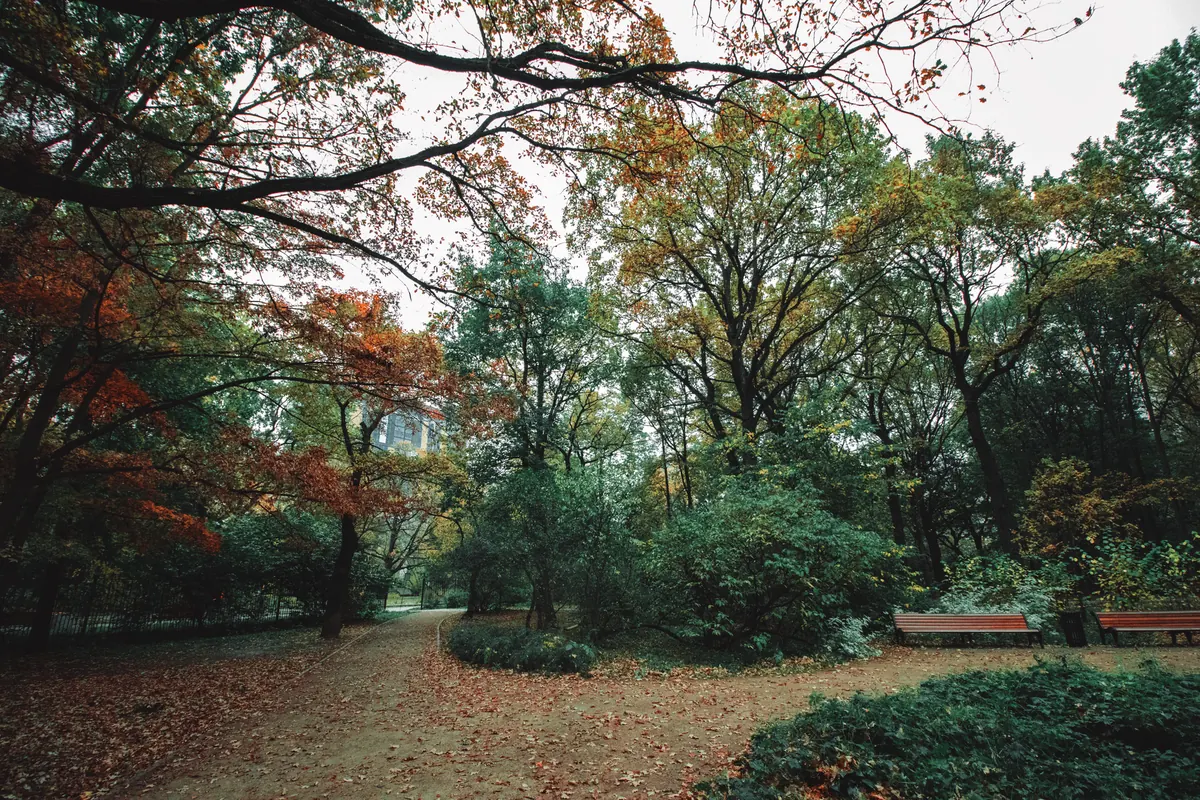
Evening Relaxation: How to Light Your Garden Bench Area Without Electricity
October 09, 2026 - Evening Relaxation

October 04, 2026 - Outdoor Seating
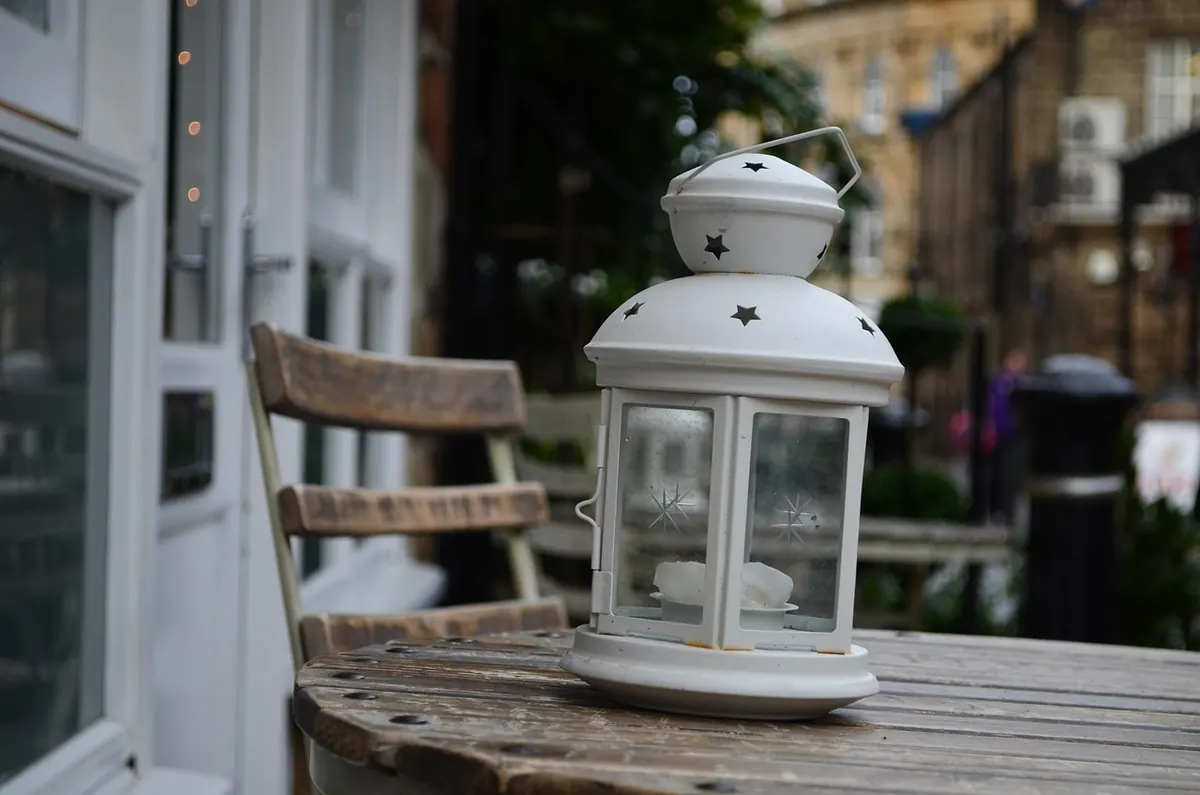
The heat goes out of the paving the moment the sun drops behind the hedge, and for a lot of gardens that is the end of the day outdoors. It does not have to be. A patio that works after dark comes down to four things: light where you actually need it, shelter from the wind, something warm within reach, and furniture that still feels comfortable when the air turns sharp. None of it needs a rebuild. Most of it can be sorted in an afternoon.
A single overhead light does the opposite of what you want. It flattens the space, casts hard shadows and makes a garden feel like a car park. Work in layers instead.
Choose warm white bulbs, somewhere around 2200–2700K, rather than the cool white that reads as security lighting. Put the whole lot on a timer or a smart plug so the patio is already glowing when you step outside, instead of you fumbling with switches in the dark. Keep cables off the walking route and use outdoor-rated fittings; if you want fixed wiring, that is a job for a qualified electrician.
Wind sends people indoors long before temperature does. A still 12°C evening is far pleasanter than a breezy 16°C one. Before you buy anything, spend one evening noticing where the draught comes from — chimney smoke, the direction the washing dries, the corner where candles gutter. Most British gardens take it from somewhere between west and south-west, but yours will have its own habits.
Then do the cheap thing first: move the seating. A bench tucked against the house wall gets shelter plus a small bonus of heat the brick or render has stored all day. For a longer fix, think in two layers. A slatted screen, willow panel or pleached tree behind the seats handles the worst of it, while planting softens whatever comes over the top: jasmine, honeysuckle or clematis on a trellis, or a run of tall grasses in a planter. Leave one gap for air to move through. A completely sealed box traps smoke from a fire bowl and turns stuffy within an hour.
This is the part people skip, and it is the one that decides whether anyone sits out past nine. Seats that were fine in shorts at four o'clock are cold and unforgiving by ten.
Start underneath. A thick seat pad makes more difference than any throw, because it separates you from cold stone, metal or timber. For benches, look for at least 8–10cm of filling; anything thinner is decoration. Then layer on top. Wool and wool-blend throws hold warmth best, fleece is cheaper and dries quickly if it gets left out, and you want two or three per seat so nobody has to share. Store them in a lidded bench or a waterproof basket beside the seating, not in a cupboard indoors — the point is that reaching for one takes no effort at all. If cushions live outside, choose quick-drying foam and bring them in during wet spells.
On colour, warm and saturated tones — rust, deep green, mustard, charcoal — tend to sit better under lamplight than cool greys, which can look washed out once the sun has gone.
Metal is the usual offender. Aluminium and steel frames pull heat away from you and feel cold to the touch even on a mild evening, which is fine if the seat and back are properly cushioned and less fine if they are bare slats. Timber, rattan and composite feel warmer and less stark in low light.
Two tests matter more than the brochure. First, sit in it for twenty minutes in the evening, not two minutes in a showroom. Second, check you can move it with one hand — chairs that shift easily are the ones that get repositioned when the wind changes or the sun moves round. Finally, add a small side table for every two seats. Without one, people balance mugs on the armrest and eventually go inside.
A tray that lives outside earns its keep: enamel mugs, a flask, a bottle opener, matches, a spare lantern. If you drink wine in the garden, an insulated carafe keeps the second glass drinkable.
For warmth, a fire bowl, chiminea or patio heater stretches the season by weeks. Site it on a non-combustible base and well away from fences, overhanging branches, parasols and fabric. Never burn charcoal or wood indoors, in a garage or inside a fully enclosed gazebo — carbon monoxide is the real risk, not the smoke. Check local rules on smoke before you come to rely on it, and keep children and pets behind a firm boundary or a clearly taught no-go zone.
For atmosphere, a small speaker at low volume beats a large one turned up, and evening-scented plants do the rest: night-scented stock, nicotiana, lavender, honeysuckle. Citronella candles smell pleasant, but they are not a reliable insect repellent once there is any breeze.
The difference between a patio you use and a patio you only look at is friction. If setting it up takes fifteen minutes of hunting for matches and dragging furniture around, it will not happen on a Tuesday evening after work. So make the good version the easy version.
Start with lighting and shelter. Those two alone will add an hour to most evenings, and they are the cheapest changes you can make. Textiles and a fire bowl come next, once you know the space is worth the extra. If you are adding fixed wiring, a gas heater or a permanent structure, bring in a qualified tradesperson rather than working it out as you go — it is quicker, safer and usually cheaper in the long run.
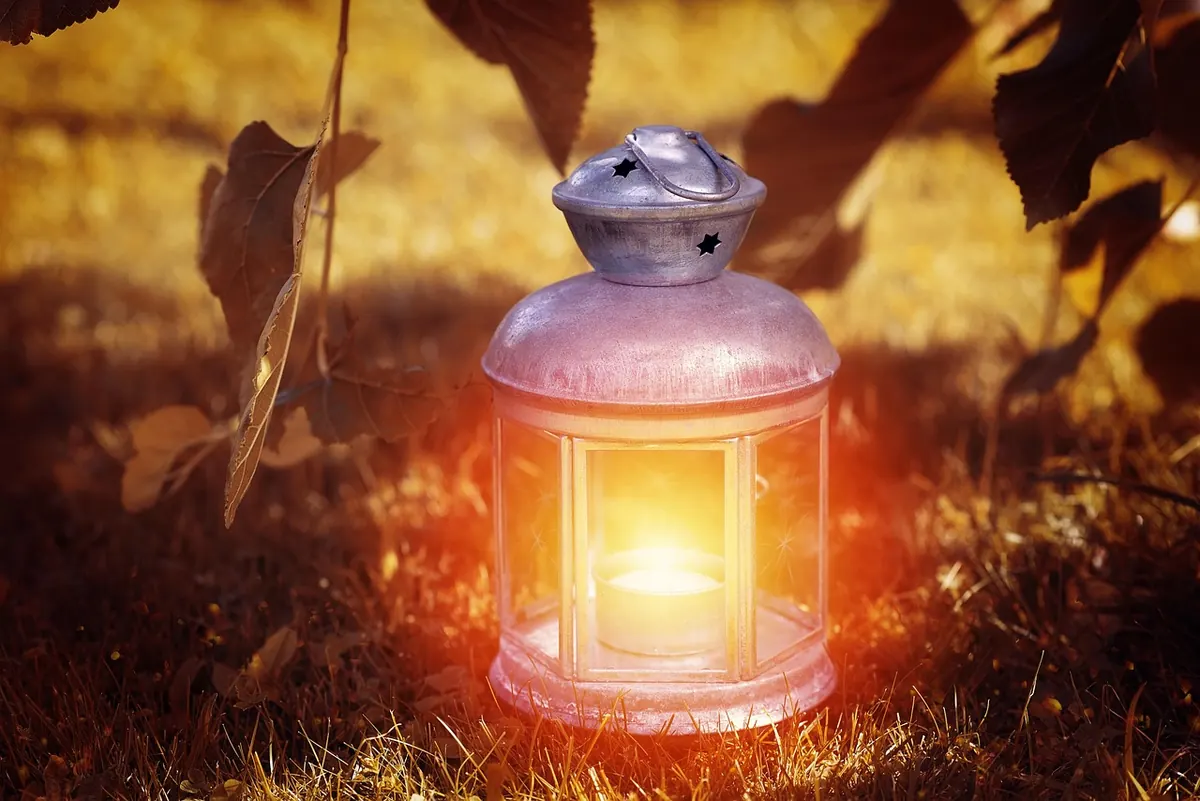
Warm, low-cost ways to light a garden bench at dusk without wiring — solar panels, glass lanterns, candles,...
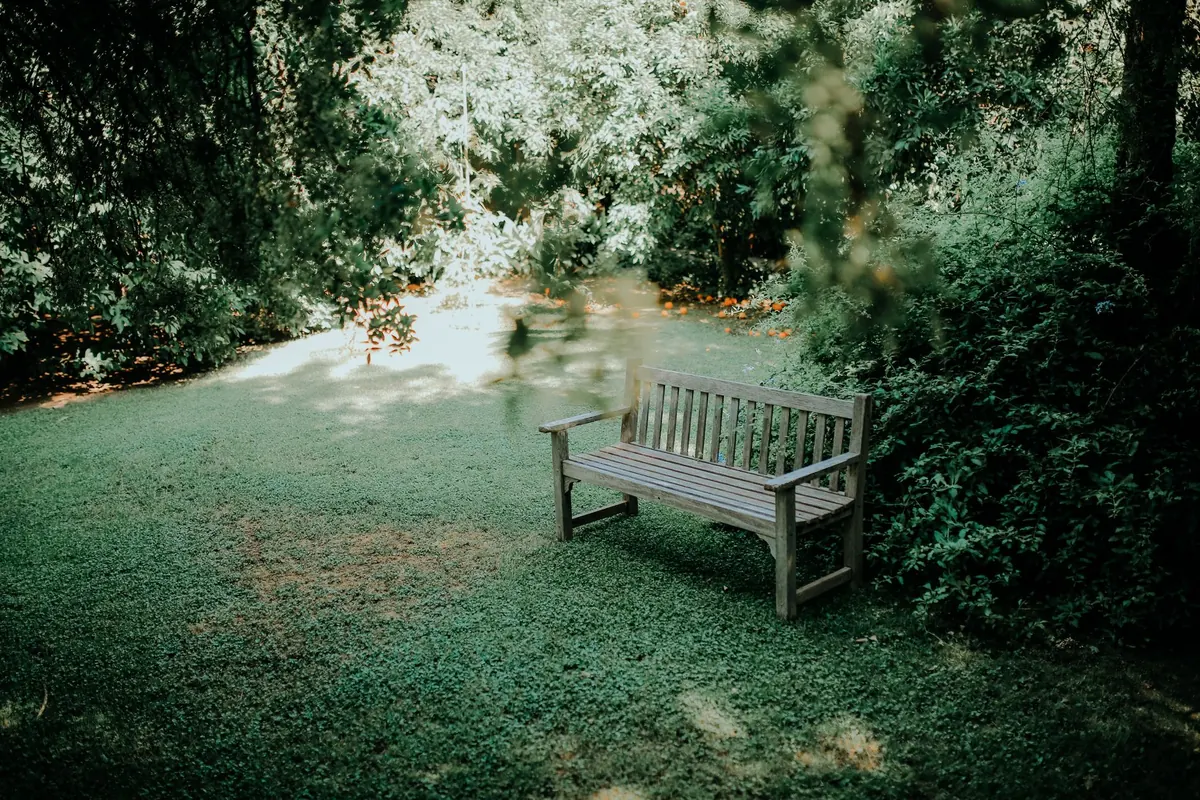
Choose a bench spot by matching it to the hours you'll actually use it: evening sun, shelter from prevailing wind, a...
Copyright © 2026 Dusk Bench. All Right Reserved.